How to Study Smarter and Improve Memory: Stop Forgetting and Pass Exams Faster
How to Study Smarter and Improve Memory: Pass Exams Faster with Less Effort
Most students do not need more pressure. They need a better study system that helps information stick before exam day.
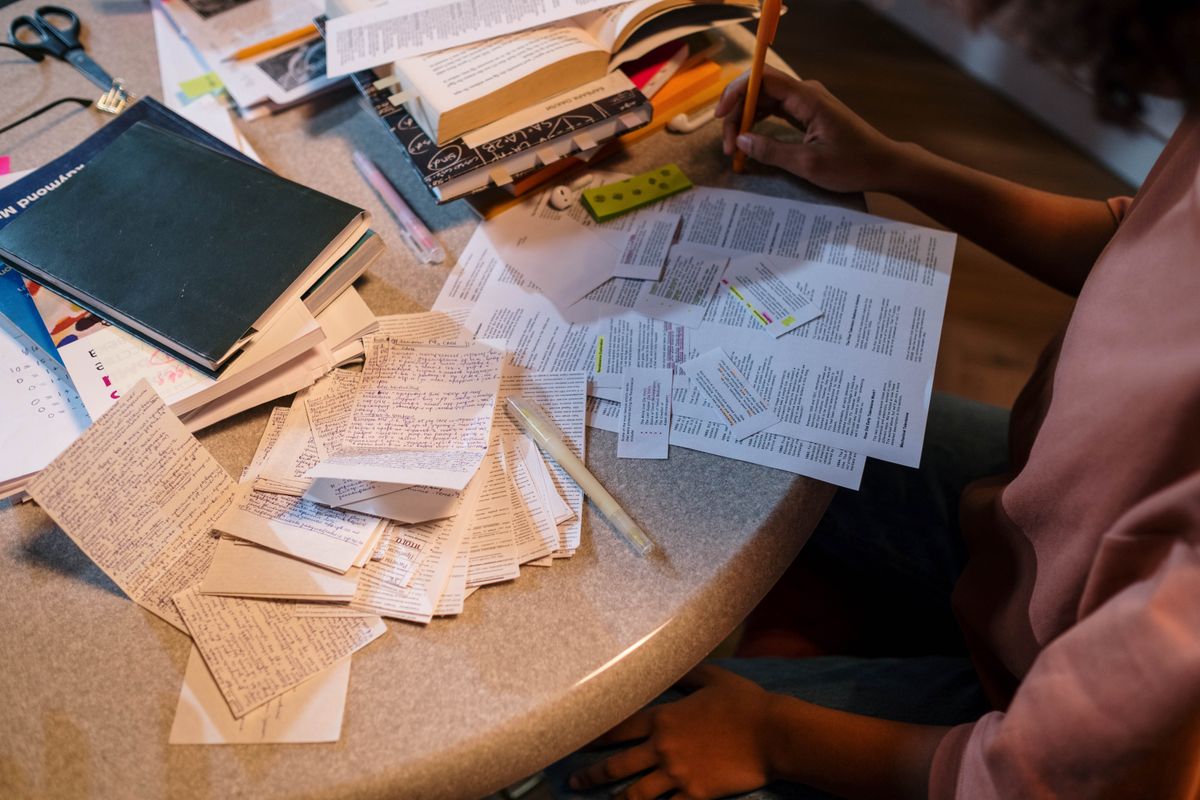
What if you could study less, waste less time, and still feel more prepared for your exams?
That does not mean doing nothing. It does not mean looking for shortcuts. It does not mean pretending exams are easy.
It means this: many students are working hard, but their study method is working against them.
They reread notes for hours. They highlight pages until everything looks important. They cram late at night. They watch videos and feel as though they understand the topic. Then exam day comes, the pressure rises, and the information disappears.
That is not always a motivation problem.
It is often a method problem.
If your study method only helps you recognize information while it is in front of you, it may not help you recall that same information under exam pressure. Exams do not usually reward familiarity. Exams reward memory, understanding, timing, application, and calm recall.
This is why learning how to study smarter and improve memory matters so much.
What You Will Learn
- Why studying harder does not always lead to better marks
- Why rereading and cramming often fail under pressure
- How active recall improves memory and exam performance
- How to focus only on what matters most for your exam
- How to turn repetition into long-term recall
- How to prepare with a simple system instead of panic
- How the book How to Study Smarter and Improve Memory can help you build a repeatable study method
The Real Problem: Most Students Study to Feel Busy
A lot of students confuse being busy with being prepared.
They sit at the desk for hours. They copy notes. They reread chapters. They open multiple tabs. They watch study videos. They tell themselves, “I studied all night.”
But when they close the book and try to explain the topic without looking, they struggle.
That is the danger.
If you cannot bring the information back without seeing it, your memory may not be strong enough yet.
Studying smarter means you stop asking only, “How long did I study?” and start asking better questions:
- Can I remember this without looking?
- Can I explain it in my own words?
- Can I answer practice questions on it?
- Can I do it under time pressure?
- Can I still remember it tomorrow?
Those questions reveal whether you are actually ready.
Why Rereading Feels Good but Often Fails
Rereading is one of the most common study habits because it feels safe.
The notes are in front of you. The words look familiar. You feel as though the information is going in. The more you read, the more comfortable the page becomes.
But comfort can trick you.
Recognizing a sentence while reading it is not the same as remembering the answer in an exam room.
That is why some students say:
- “I knew this last night.”
- “I studied this topic.”
- “It looked easy when I was reading it.”
- “I went blank even though I revised.”
The issue is not always that they never saw the material. The issue is that they did not train recall strongly enough.
If this happens to you after late-night studying, read this guide later: Why Do I Forget Everything After Cramming?
The Memory Shift: Stop Looking, Start Retrieving
One of the biggest changes you can make is simple:
Stop only looking at the answer. Start pulling the answer from memory.
This is called active recall.
Active recall means you close the book, cover the notes, or turn away from the screen and try to bring the information back yourself.
For example, instead of reading a definition ten times, you ask:
“What does this mean, and can I explain it without looking?”
Instead of highlighting a paragraph, you ask:
“What are the three main points from this paragraph?”
Instead of watching another video, you pause and ask:
“Can I teach this topic back in simple words?”
This feels harder than rereading, but that is the point. The effort of retrieval strengthens memory.
For a deeper guide, read: The Complete Guide to Active Recall.
Simple Active Recall Test
After studying one topic, close your notes and answer these questions:
- What is the main idea?
- What are the key terms?
- What mistake would students commonly make here?
- How would I explain this to a younger student?
- What question could appear in the exam from this topic?
If you cannot answer, do not panic. You found the weak spot before exam day. That is a good thing.
Study Smarter by Focusing on What Matters Most
Another reason students waste time is that they treat every page as equally important.
But exams usually have patterns.
Some topics appear often. Some question types repeat. Some chapters carry more marks. Some mistakes keep showing up across past papers, quizzes, assignments, or teacher feedback.
Studying smarter means you learn to prioritize.
Before your next exam, ask:
- Which topics are most likely to appear?
- Which topics carry the most marks?
- Which areas do I keep getting wrong?
- Which question types slow me down?
- Which topics do I avoid because they feel uncomfortable?
The goal is not to ignore everything else. The goal is to stop spending most of your energy on low-value revision while your biggest weak areas remain untouched.
Use Repetition the Right Way
Repetition matters, but not all repetition is equal.
Reading the same page five times is repetition, but it may still be passive.
A stronger version of repetition looks like this:
- Study the idea.
- Close the notes.
- Recall the idea.
- Check what you missed.
- Try again later.
- Use it in a practice question.
This turns repetition into memory training.
Your brain is not only seeing the information again. It is practicing the act of retrieving it. That is much closer to what an exam demands.
Why Cramming Makes Students Feel Prepared Until It Is Too Late
Cramming can create a dangerous feeling of control.
You are finally studying. You are surrounded by notes. You are pushing hard. You may feel productive because the pressure is high and the hours are long.
But cramming often overloads the mind.
It may help you recognize information for a short time, but it does not always build strong, calm recall. That is why a student can study late into the night and still feel blank in the exam.
If your exam is close, you may not have the perfect amount of time. But you can still study more intelligently by using recall, practice questions, and focused review instead of panic-reading everything.
Use this if your exam is soon: How to Study One Day Before an Exam and Actually Retain What You Review.

A Smarter Study System You Can Use This Week
You do not need a complicated system to begin.
Start with this simple cycle:
The Pass Exams Faster Study Cycle
- Choose: Pick one important topic.
- Learn: Study it in simple language.
- Close: Put away your notes.
- Recall: Write or speak what you remember.
- Check: Compare with the notes.
- Correct: Fix what you missed.
- Practice: Answer exam-style questions.
- Repeat: Return to the topic later.
This is how you move from “I looked at it” to “I can remember it.”
It is also how you build real confidence.
Confidence is not simply telling yourself that you are ready. Confidence grows when you test yourself and see proof that your memory is improving.
How to Know If Your Study Method Is Working
A good study method should give you evidence.
You should be able to see signs like:
- You remember more without looking.
- You make fewer repeated mistakes.
- You can explain topics in simpler words.
- You finish practice questions faster.
- You know which areas still need work.
- You feel less dependent on last-minute cramming.
If your study method never shows you what you can recall, it may be giving you comfort instead of proof.
Test-Taking Methods Matter Too
Studying smarter is not only about learning the material. You also need to handle the exam itself.
Many students lose marks because they:
- Spend too long on one question
- Misread key words
- Panic when the first question feels hard
- Change correct answers out of fear
- Forget to check the question being asked
- Run out of time before easier marks are attempted
That is why exam preparation should include practice under exam-like conditions.
If multiple choice questions are part of your exam, read this guide: How to Answer Multiple Choice Questions When You’re Not Sure.
This Book Gives You the Full Study System
If you are tired of studying hard and still forgetting, How to Study Smarter and Improve Memory: Pass Exams Faster with Less Effort was created to help you build a clearer, more repeatable way to prepare.
Inside, you will learn how to:
- Study smarter without overwhelming yourself
- Improve memory and retention so information sticks better
- Focus on what matters most before exam day
- Use active recall and repetition more effectively
- Prepare with practical exam strategies instead of panic
- Build a study system that works under real pressure
This is not about random tips. It is about having a system you can follow when you feel tired, stressed, behind, or unsure what to do next.
Ready to Study Smarter?
If your current study method is not giving you the results you want, this book can help you build a more focused, memory-based exam preparation system.

See the Book on Amazon
Related Reading
If this article helped you, these free guides will help you continue improving your study system:
- The Complete Guide to Active Recall
- How To Study Faster And Remember More In Less Time For Exams
- How to Remember What You Study for Exams Quickly and Easily
- How to Study One Day Before an Exam and Actually Retain What You Review
- Why Do I Forget Everything After Cramming?
- How to Answer Multiple Choice Questions When You’re Not Sure
Final Thought
If you do not change how you study, your results may not change either.
But that should not discourage you. It should give you hope.
Because if the problem is the method, then the method can be changed.
You do not need to keep rereading, cramming, forgetting, panicking, and wondering why your hard work is not turning into better marks.
You can begin building a smarter study system today: learn clearly, recall actively, practice honestly, correct mistakes, and repeat with purpose.
That is how you stop studying only to feel busy and start studying in a way that helps you remember more when it matters.
.png)

Comments
Post a Comment